 hr
 si
 sr
 cs


Pay Transparency in Gecko HRM: From HR Data to Reporting
Use Gecko salary ranges, employee records and reporting to prepare HR data for pay transparency analysis alongside payroll and other sources.

Maja Sušnik, Marketing Specialist
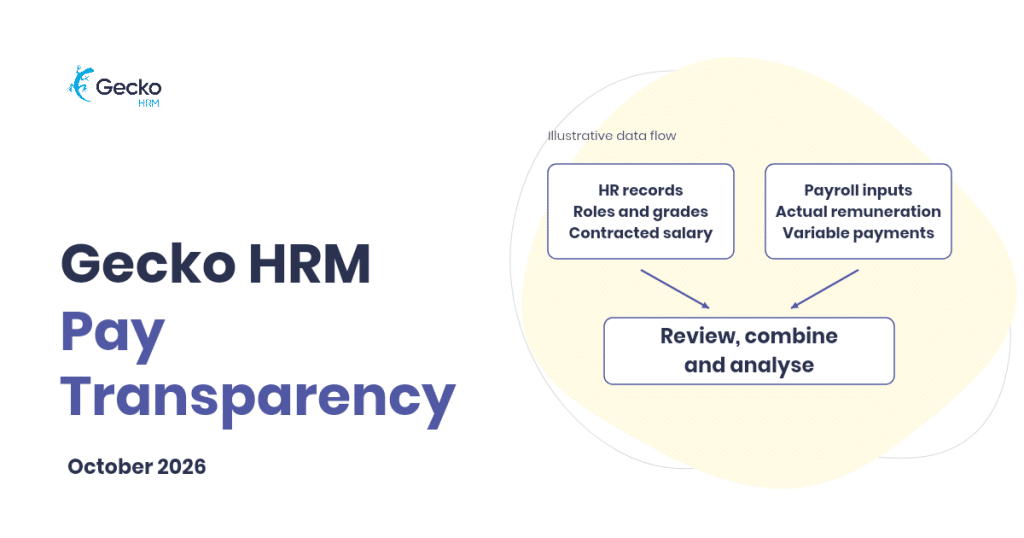
HR has the employee record. Payroll has the payments. Someone still has to check that both describe the same people, roles and period before a pay comparison means anything.
That handover is where pay transparency preparation can get awkward. A spreadsheet with plenty of columns can still leave the important questions unanswered.
Gecko helps HR prepare its part of the picture: salary ranges in recruitment, employee and organisational information, contracted gross salary data, and reporting that can feed the wider analysis. The useful next step is to make that handover repeatable.
Why Does Pay Transparency Matter for HR?
People need understandable answers about pay. Candidates want to know the range before investing time in an application. Employees want to understand their pay and the basis for comparison. HR needs information it can explain, with a clear route back to the underlying records.
The EU pay transparency framework covers applicant pay information, employee information rights and employer reporting. It supports equal pay for the same work or work of equal value. These are connected responsibilities, but they call for different information.
Keep the deadlines separate. The Directive (EU) 2023/970 set 7 June 2026 as the national transposition deadline. Its first reporting dates depend on employer size:
- 250 or more workers: by 7 June 2027, then annually.
- 150 to 249 workers: by 7 June 2027, then every three years.
- 100 to 149 workers: by 7 June 2031, then every three years.
Reports cover the previous calendar year. National rules may go further, including reporting below 100 workers, so check the law that applies to your organisation. A later reporting deadline should not be mistaken for a general exemption from pay transparency duties.
What Can Gecko Contribute to the Report?
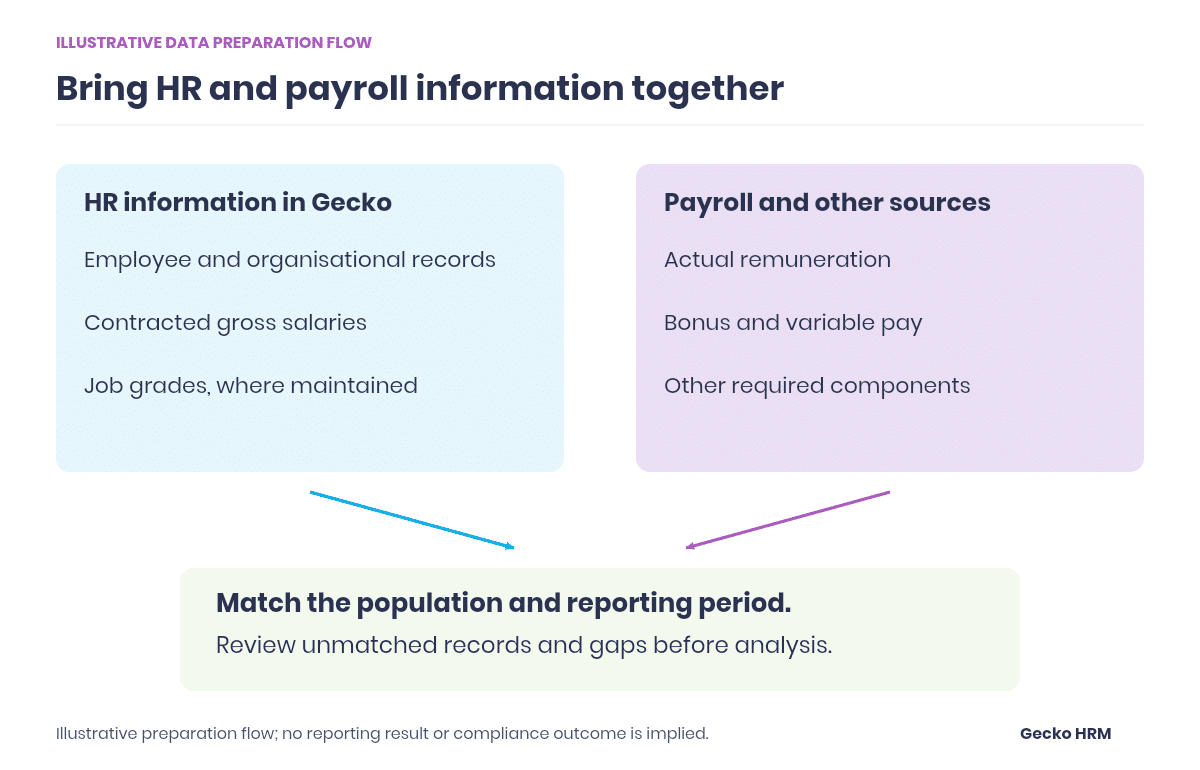
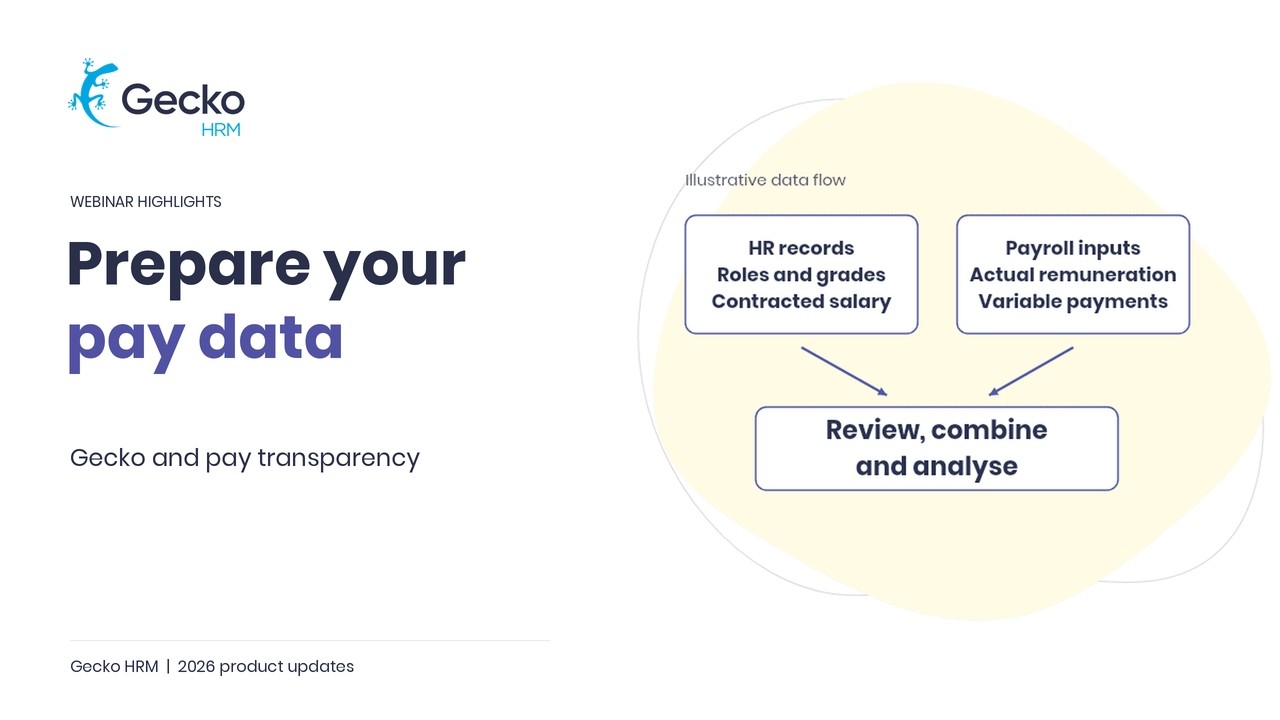
Start with the HR information already maintained in Gecko. In the webinar, we showed its role as a foundation for analysis: employee gender, contracted gross salaries and, where maintained, job grades. Employee and organisational records add the context needed to understand who a salary belongs to.
Gecko reporting lets HR prepare that information for further calculations and combination with payroll or other sources. The usefulness of the result depends on the records behind it. An outdated position or an inconsistent grade will still need attention.
Our practical Gecko pay transparency checklist covers the available records, reporting and exports in more detail. The next step is agreeing how that information will move between the people preparing the report.
A useful pay report needs a clear explanation of where each figure came from.
Where Does Payroll Complete the Picture?
Contracted gross salary and actual remuneration are different things. Bonus and variable pay information is often held in payroll or accounting. Gecko cannot supply a payment component that has never been recorded there.
For example, comparing two employees on contracted salary alone could miss variable payments made during the reporting period. HR and payroll need to agree which components the analysis requires and which source supplies each one.
This is why the webinar described Gecko as part of the pay transparency toolkit. Its reports provide useful inputs; the complete calculation depends on bringing the relevant sources together.
How Can HR Make the Handover Repeatable?
Before the final reporting cycle, HR and payroll can run a small preparation exercise:
- Agree the population and reporting period. Check that both teams are working with the same scope.
- Prepare the required HR data through Gecko reporting. Use consistent employee identifiers to match it with the other source.
- Ask payroll to supply the remuneration components missing from the HR records. Keep the source of each figure visible.
- Review unmatched records and differences in role, grade or period before interpreting the results. Record who will resolve each issue.
Keep the definitions alongside the figures. If a colleague picks up the work next month, they should be able to see what was included without reconstructing a chain of emails. Use access and sharing arrangements appropriate for sensitive employee pay information.
How Do Salary Ranges Fit into Recruitment?
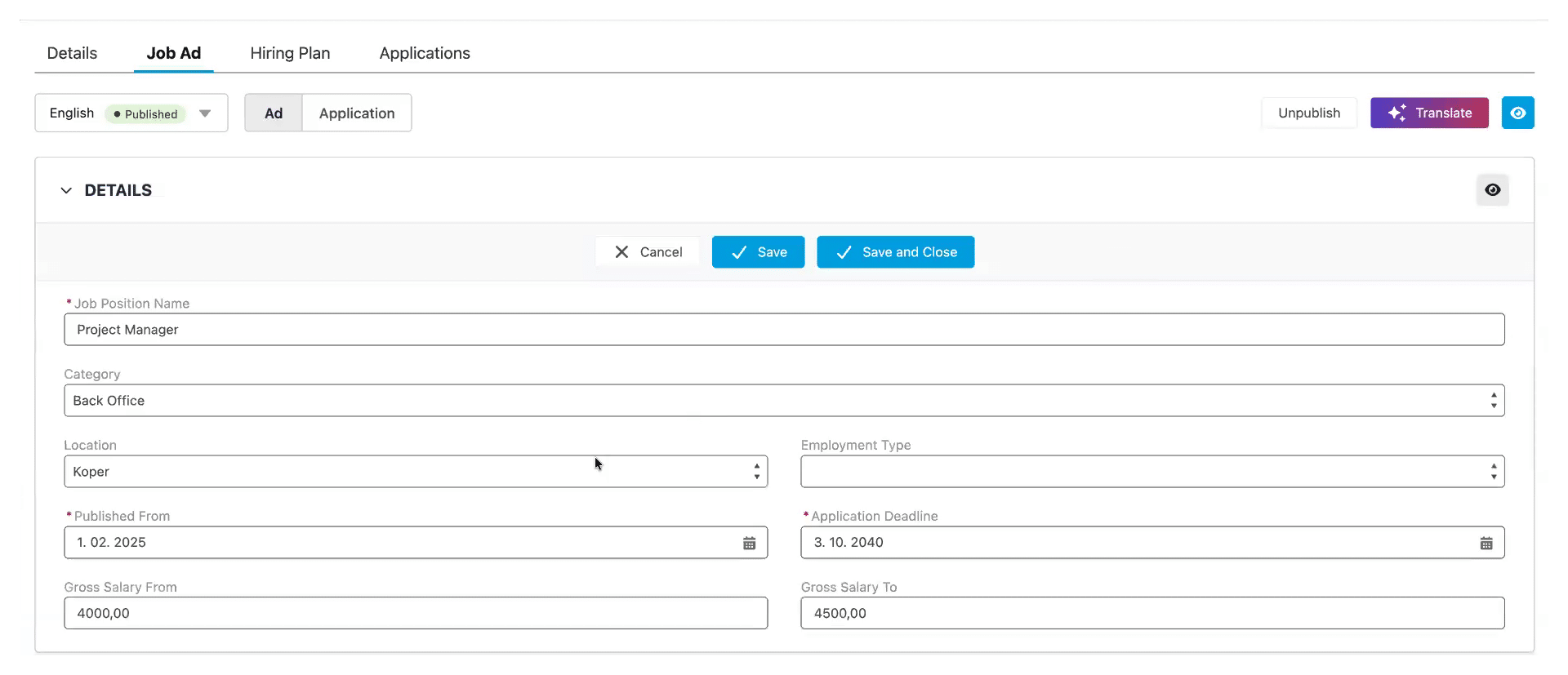
Gecko Recruitment lets HR include salary ranges on job ads. That gives candidates useful information early and gives recruiters a concrete starting point for pay conversations.
Before publishing, check the range with the people responsible for the role and pay structure. Be clear about the currency and whether the figure describes monthly or annual pay. Adding a range does not automatically validate the organisation’s wider pay approach.
What Should Your Team Check Next?
Bring one Gecko report and the corresponding payroll data to a working session. Identify the missing information, the definitions that need agreement and the person responsible for each correction.
Gecko can support preparation and analysis. The applicable methodology, national requirements and final reporting remain matters for your organisation to verify. Start with a reporting demo built around the data your team actually needs.
Watch our product team explain Gecko’s role in pay transparency right here:



You might also like
View all posts